By Wendy and Lisa, daughters of Gus Bauman (North Woodside)
On Friday afternoon, August 24, 1984, when most Montgomery County officials were away on vacation, a contract developer quietly commenced demolition of the 1938 Art Deco Silver Theatre prior to a scheduled public hearing about designating it as an historic site.
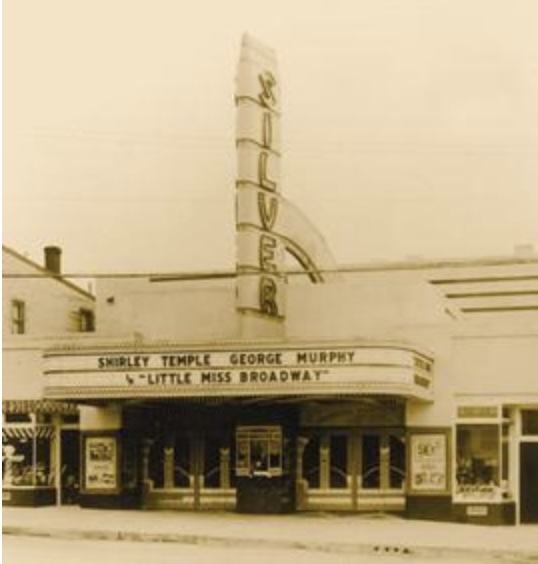
office file
Because the county executive, councilmembers, county attorney, and planning board chairman were all out of town, our dad—an involved civic leader and prominent land use attorney—received frantic phone calls from county planners about what was happening at the Silver Theatre building.
On the following Monday, the county permitting department, under pressure from Dad and others, issued a stop-work order before the exterior destruction had managed to reach the theater’s unique interior.
Then, on June 15, 1989, following appointment by the county council (and threatened veto by the county executive), Dad took the oath of office as full-time Chairman of the Maryland-National Capital Park and Planning Commission/Montgomery County Planning Board. Under his leadership, following a decade of bitter struggles, including lawsuits, over what to do about the declining downtown Silver Spring, a new “Plan for the Revival of Downtown Silver Spring” was finally adopted by the county in April 1993. Among scores of action items, the plan recommended the shuttered, deteriorating Silver Theatre for historic designation and reuse as a performance venue. It was so designated the following February.
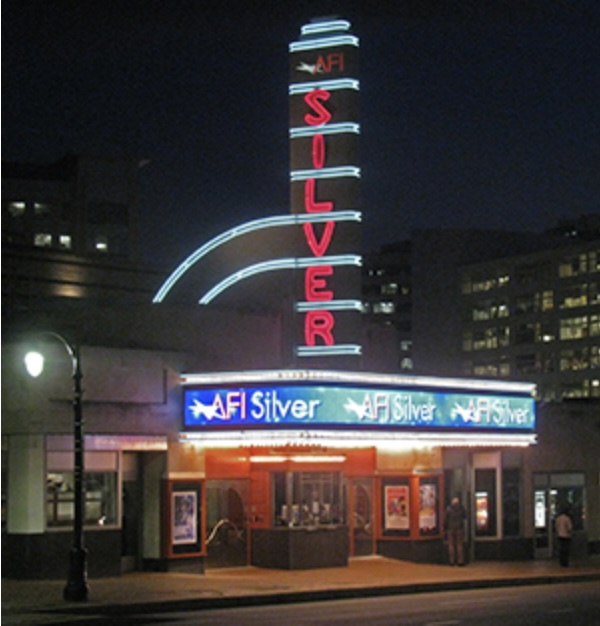
Now, as a major film buff, Dad was well aware that the American Film Institute had a very small theater inside the huge Kennedy Center. Perhaps, he thought, the AFI might wish to have a nearby Golden Age movie palace to showcase American and foreign films.
And so, in early 1993, he placed a phone call from M-NCPPC to AFI about his idea. When the citizens advisory committee on possible reuse of the Silver Theatre learned what the chairman—our dad—had done, they were furious with him; they had been pushing for a live-performance venue, not “another movie house.”
The AFI Silver Theatre and Cultural Center, the saved original theater and two additional screens, opened in April 2003.
For more information about current and upcoming films showing, see afisilver.afi.com.
 Welcome to North Woodside